Tazeem Mahashin '28 shows that knowing when to pivot is just as important as knowing how to build
Tazeem does not wait for perfect conditions. He shows up, reads the room, figures out what needs to get done, and gets it done. That approach has taken Tazeem, an RPI student dual-majoring in Information Technology and Web Science and Finance, to a first-place finish at Columbia Business School's Google Hackathon, with a finalist award at HackPrinceton along the way.
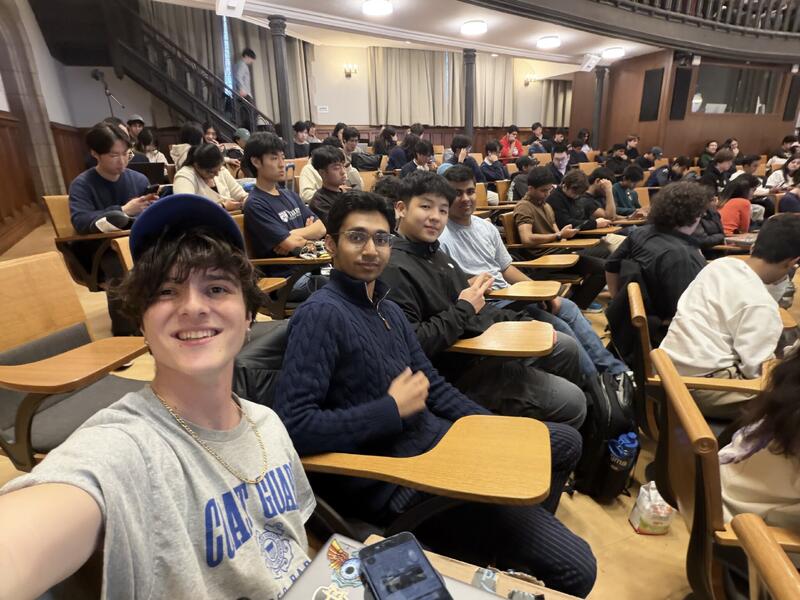
The Princeton experience started with an unexpected move. Already deep into the event with one team, Tazeem got a late-night text from another group who had seen his portfolio and wanted him to join. He assessed the situation, made the call, and jumped in. Within hours he was fully integrated into a new project, a blockchain-based supply chain tool for the maritime industry called Nautilink, designed to fight fraud and increase transparency using the Solana network.
What followed was a lesson in building under pressure. The team set out to integrate computer vision, IoT sensors, NFC scanning, blockchain, and a mobile app inside 36 hours. Not everything held together by demo time. The mobile app hit a last-minute wall and had to run on mock data, and one hardware component fell short of fully working. But the core held. The robot worked. The demo landed. The team earned finalist recognition and won Best Use of Solana.
For Tazeem, the bigger lesson was not technical. It was mental. He did not sleep for the entire stretch, running on focus and momentum. His teammates noticed. "They told me that I have grit," he said, "and that it's something they haven't seen in many people."
That grit showed up differently at Columbia.
At Columbia Business School's Google Hackathon, Tazeem and teammate Vera Malkova started with one idea and scrapped it. They pivoted to something they both understood from the inside: the pressure of learning in a rigorous academic environment. The result was Geminilearn, a voice-based AI tutor that responds in real time and generates diagrams, flashcards, and quizzes on the fly, built to feel like a conversation with a knowledgeable professor, not a search bar.
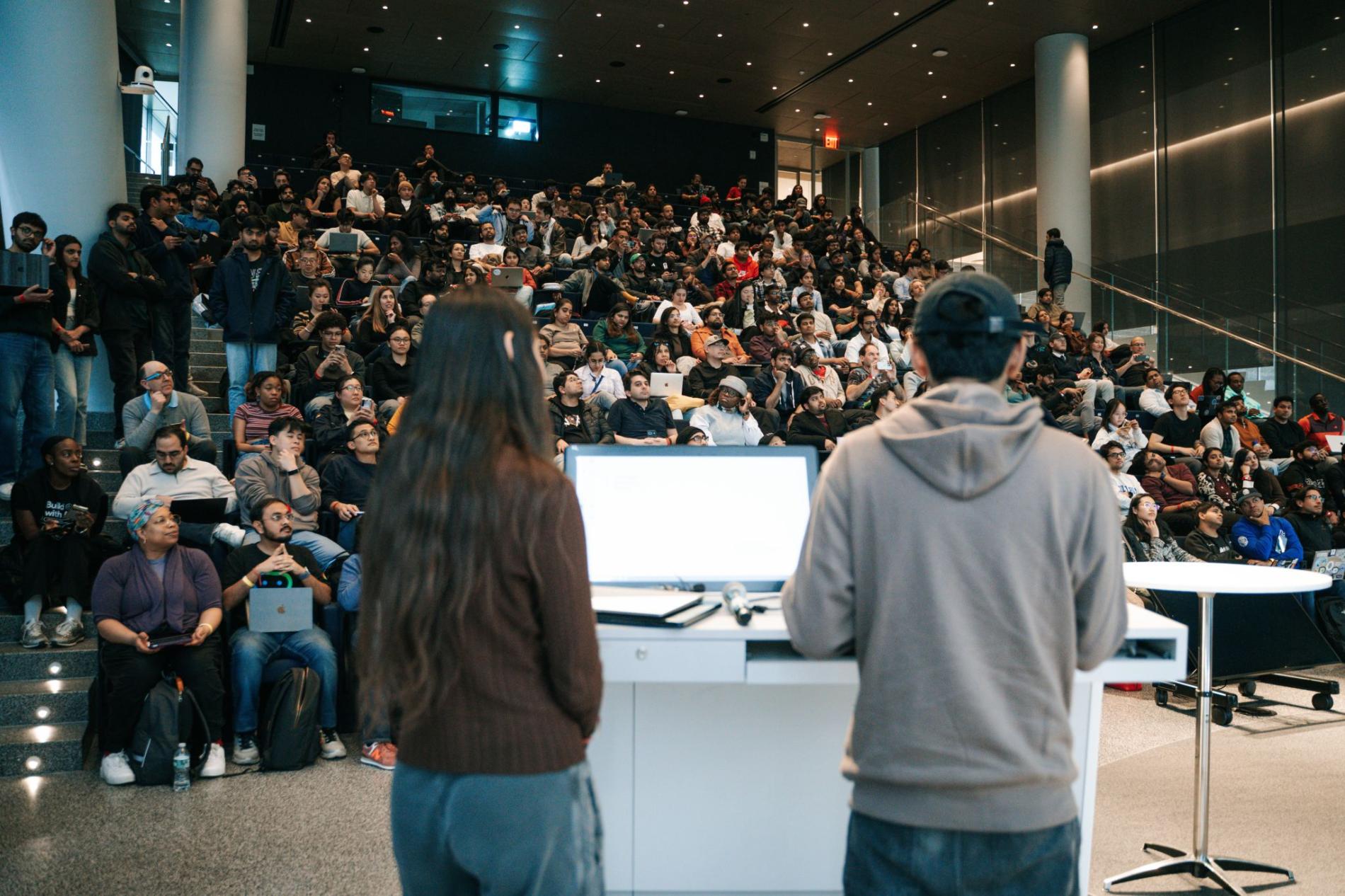
The pivot paid off. The team took first place, earning $15,000 in Google Cloud credits, tickets to Google I/O 2026, and a private pitch session with Google's AI Futures Fund. Tazeem is not unfamiliar with winning big prizes, pitching to VC firm “Reach Capital” after winning HackRPI’25.
Tazeem credits his RPI experience with sharpening his instincts for this kind of work. Courses like RCOS, where students build real open-source projects with a team, reinforced what he had learned through trial and error: getting a product in front of real users takes more than technical skill. It takes judgment, knowing when to stay the course and when to change it.
He plans to use both. After graduation, Tazeem hopes to spend a year or two in industry before going full time into entrepreneurship with his venture-backed startup “Apple Scholar”. For now, he is planting the groundwork at RPI, one hackathon at a time.
Author: Lynda Holt, holtl3@rpi.edu