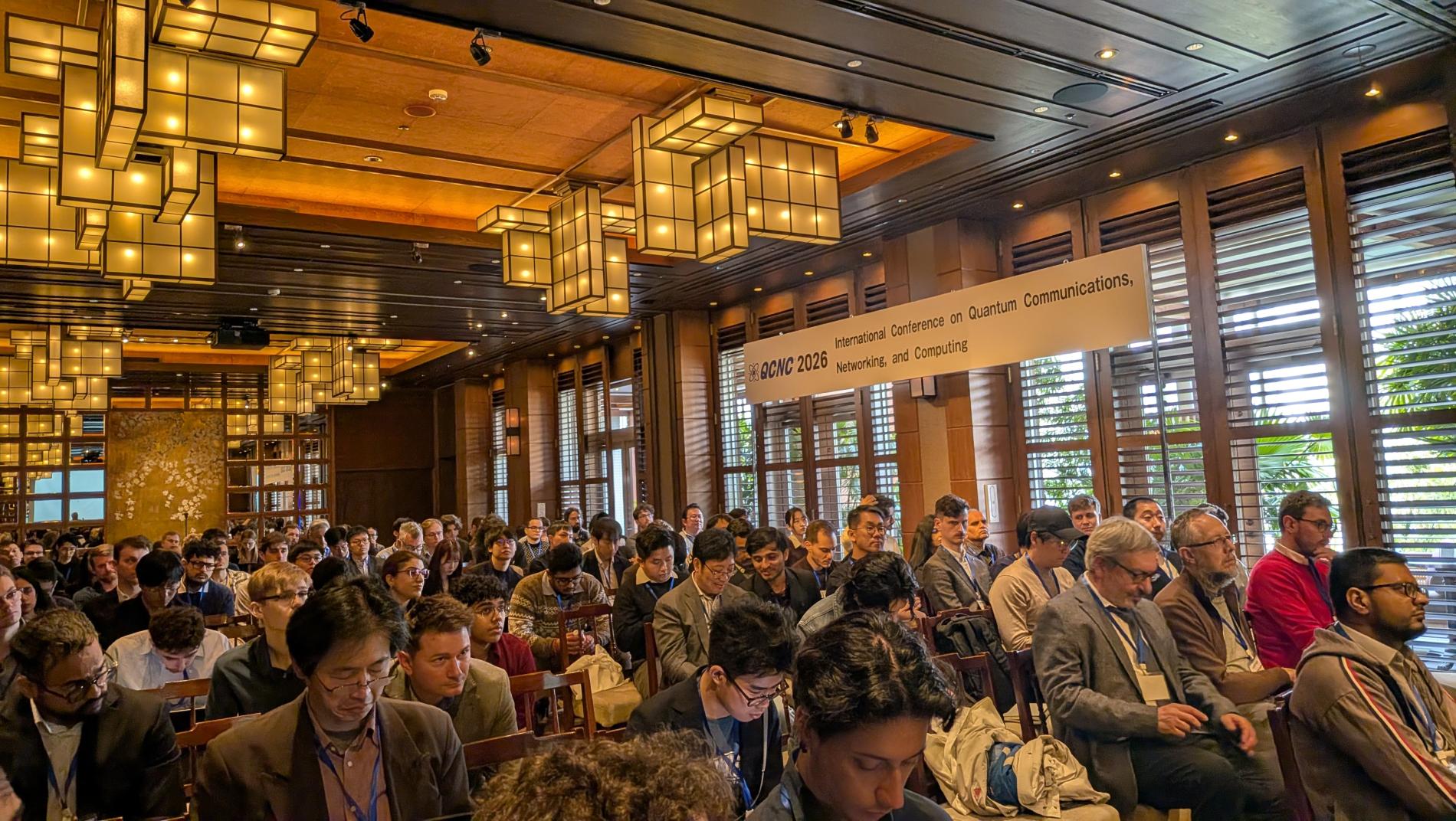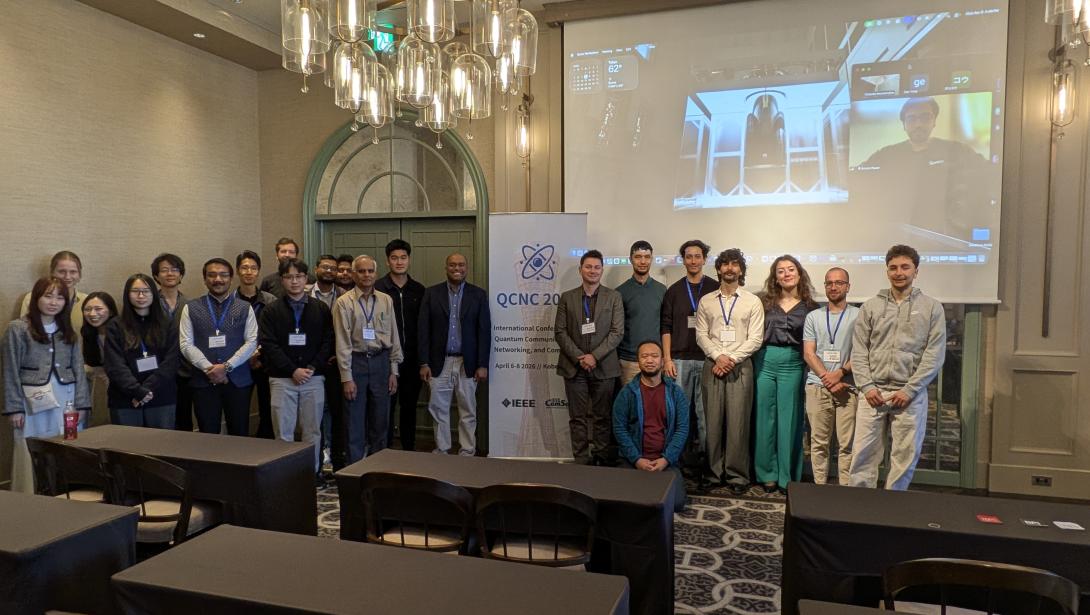
KOBE, JAPAN – As quantum technologies move from theoretical potential to industrial reality, Rensselaer Polytechnic Institute (RPI) continues to cement its leadership at the frontier of the "Quantum Age." From April 6–8, 2026, an interdisciplinary RPI delegation spearheaded the successful workshop "Quantum Computing - Artificial Intelligence for Industry Applications and Scientific Discovery" (QC-AI) at the IEEE International Conference on Quantum Communications, Networking, and Computing (QCNC).
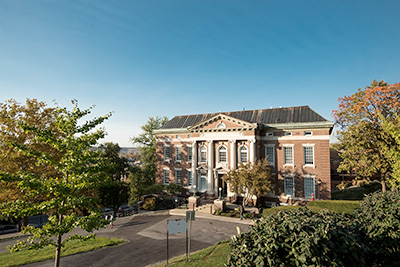
The event marked a significant milestone for RPI, showcasing a high-level collaboration between the Lally School of Management, the School of Science, and the Future of Computing Institute.
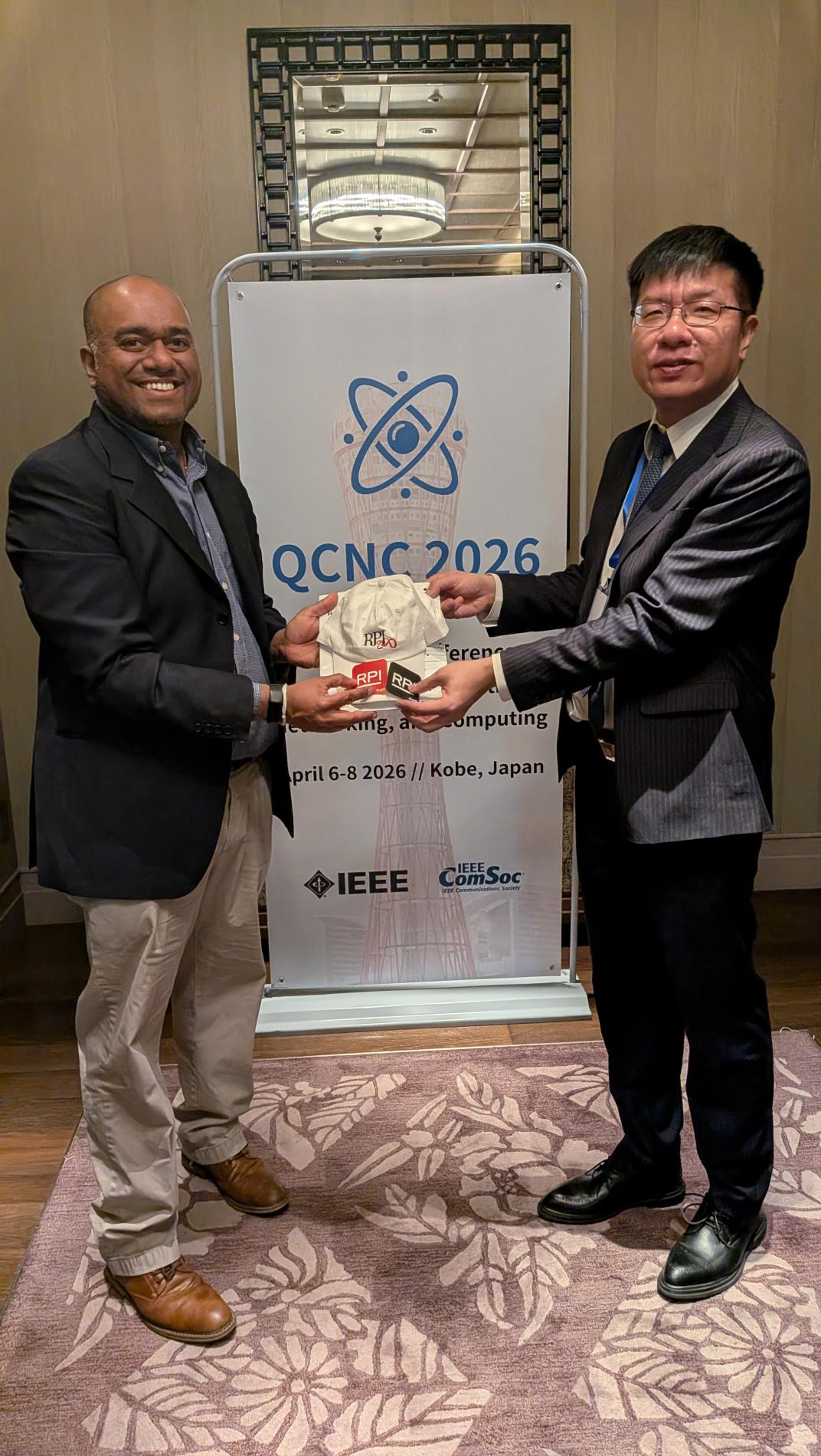
A Global Collaborative Effort The workshop was chaired by Thilanka Munasinghe, RPI, whose worked together with RPI faculty members and putting a diverse organizing and program committee. The initiative was a truly global effort, featuring key collaborations with world-class institutions including:
NASA Goddard Space Flight Center, NASA-Langly and NASA JPL
Virginia Tech
The University of Illinois Chicago (UICC)
Lehigh University, USA
Technion – Israel Institute of Technology
Imperial College London
Brookhaven National Laboratory,
La Trobe University, Australia,
Wells Fargo Bank, USA
Korea University, Seoul, Korea
University at Albany, NY
Tennessee Tech University, Cookeville, TN, USA
Indiana University Bloomington, USA
The workshop commenced with opening remarks by RPI Prof. James (Jim) Hendler, a world-renowned AI pioneer. Prof. Hendler emphasized RPI’s unique position in bridging classical AI with the emerging quantum landscape.
The keynote address was delivered by Prof. Netanel Lindner from the Technion – Israel Institute of Technology and CTO of QEDMA. Prof. Lindner’s insights into the challenges and breakthroughs in quantum hardware and error mitigation provided a vital roadmap for the transition from noisy intermediate-scale quantum (NISQ) devices to practical industry applications.
Advancing the Quantum Machine Learning Community
The QC-AI workshop was designed as a catalyst for the global Quantum Machine Learning (QML) community. Its primary aims included:
Unifying Research Streams: Bringing together researchers from diverse fields—physics, computer science, and business—to foster a cohesive QML ecosystem.
Highlighting Ongoing Work: Showcasing peer-reviewed research on Hybrid Quantum-Classical frameworks, Quantum Neural Networks, and Quantum-inspired algorithms.
Industry & Discovery: Identifying how quantum-ready AI can tackle high-stakes challenges in finance, healthcare, climate science, and 6G security.
Forging Future Collaborations
Beyond the technical sessions, the conference served as a vibrant discussion forum. Presenters and participants from academia and industry engaged in crafting new ideas, resulting in several new research collaborations that will drive the next generation of quantum discovery.
“This workshop was not just about sharing current results, but about building the infrastructure for future innovation,” said Workshop Chair Thilanka Munasinghe. “By bringing together institutions like NASA and Virginia Tech alongside RPI’s management and science experts, we are ensuring that quantum AI is developed with both technical excellence and practical utility in mind.”
For more information on the workshop and a full list of committee members, please visit the official website.